Mitti Di Khushboo Best summer vacation packages in India
Posted by: Saffronholidays
A summer trip changes once a destination stops being a checklist. In Kerala, a backwater morning can reveal fishing activity, coconut-lined canals and paddy landscapes before a major attraction appears. Arunachal Pradesh links monasteries, mountain communities and craft traditions through long road journeys. Ladakh moves at an entirely different rhythm, where altitude, monasteries, apricot-growing settlements and sparse valleys shape each day. Goa makes more sense when beaches are balanced with old neighbourhoods, food traditions, markets and the state’s monsoon culture.
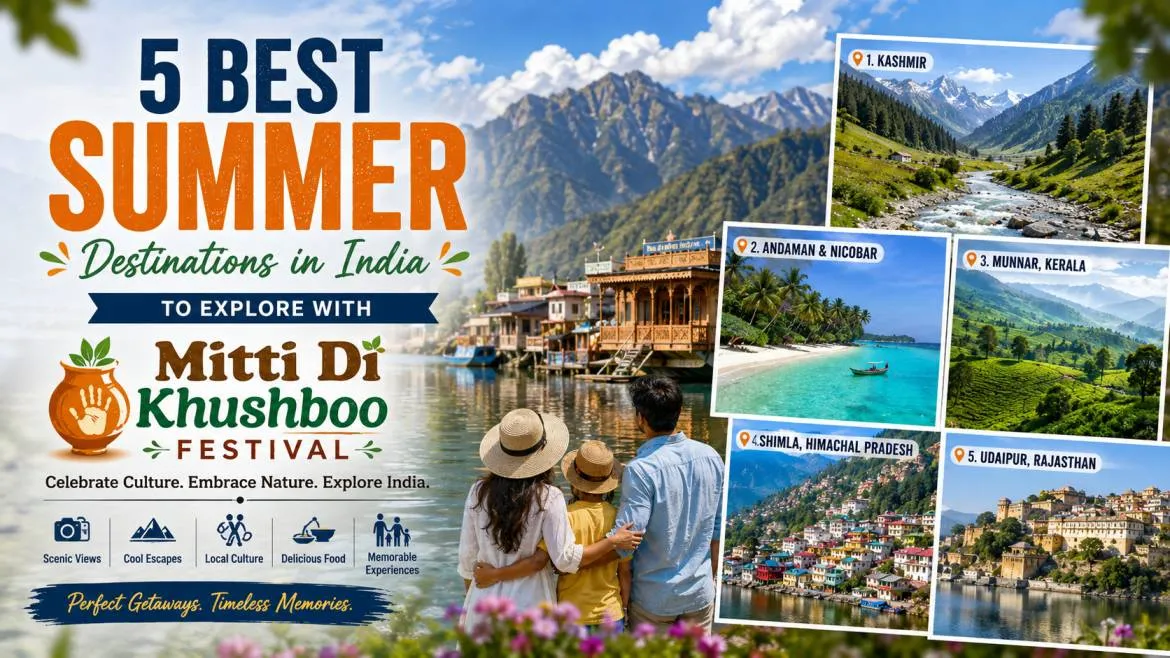
That is the useful idea behind Mitti Di Khushboo as a travel theme: understanding a place through its soil, food, people, work, architecture and seasonal life. The Mitti Di Khushboo Festival approach encourages travellers to look beyond standard sightseeing and understand how regional identity changes from one part of India to another. Travellers comparing summer vacation packages in India need more than sightseeing lists; they need to know how demanding the route may be, what regional experiences are realistic, and which destination suits their pace.
This guide compares Kerala, Arunachal Pradesh, Ladakh and Goa through that lens. The aim is practical: to show how the same culture-first idea changes between tropical waterways, Himalayan communities, high-altitude valleys and a coastal state shaped by layered heritage. It also explains what families, couples, groups, food lovers and culture-focused travellers should verify before choosing a curated itinerary, particularly when weather, permits, local events or long road sectors can affect the programme.
Call/WhatsApp: +91 9823116668
What Is the Mitti Di Khushboo Festival?
The current Saffron Holidays website includes a Festivals and Events tour category and domestic destination pages, but it does not publicly surface a standalone indexed page formally defining this exact festival title. It is therefore safer to understand the name here as a culture-led travel concept, not as an ancient, religious, government-run or nationally celebrated festival.
Mitti Di Khushboo can then express the pull of place: soil after rain, regional produce, local materials, community traditions, music and architecture. The value lies in looking beyond postcard landmarks.
Travellers can also see a visual glimpse of the Mitti Di Khushboo Festival concept through the organiser’s Instagram post, which helps illustrate the campaign’s culture-led travel theme.
For people researching summer vacation packages in India, that changes the questions worth asking. Is a market or craft centre actually in the itinerary? Is a local festival scheduled during the confirmed departure? Are food experiences included, optional or simply nearby? Cultural activities can change, so the final programme matters.
Cultural Experiences at a Glance
These destinations suit different travellers. Compare pace, climate, cultural access and journey conditions rather than assuming one domestic holiday format works everywhere. The Mitti Di Khushboo Festival experience therefore looks very different in Kerala, Arunachal Pradesh, Ladakh and Goa, because each destination expresses culture through its own landscapes, food, crafts and community traditions.
Call/WhatsApp: +91 9823116668
How Mitti Di Khushboo Comes Alive Across India
Kerala: Waterways, Produce and Craft Traditions
Kerala rewards itineraries that connect scenery with livelihoods. Travellers comparing Kerala Tour Packages can look for itineraries that balance backwaters, regional food, local crafts and slower cultural experiences rather than focusing only on major sightseeing stops. Kerala Tourism describes the backwaters as waterways historically tied to transport, fishing, trade and community life; its craft traditions include coir, kasavu textiles and bell-metal work.
For travellers assessing summer vacation packages in India, Kerala works best when there is time to notice daily life between the larger stops.
A smaller backwater cruise can bring waterside homes, fishing activity and local movement into view more closely than a rushed transfer.
Kuttanad’s paddy cultivation adds an agricultural story to the backwater landscape.
Credible artisan or cooperative outlets can give context to coir, textiles and metal crafts instead of reducing them to souvenir shopping.
Families should discuss meal preferences, boat duration and the balance between road travel and slower waterfront time before confirming the route.
Arunachal Pradesh: Monpa Heritage and Mountain Communities
Western Arunachal Pradesh combines long mountain drives with Buddhist institutions and Monpa cultural traditions. Tawang district’s official information highlights monasteries, local food, wood carving, Thangka painting, carpet making, weaving and bamboo work. When reviewing Arunachal Pradesh Tour Packages, travellers should pay particular attention to road hours, overnight stops, permit requirements and how much time the itinerary allows for Tawang and surrounding cultural sites. Indian visitors also require an Inner Line Permit to enter the state.
Tawang Monastery gives cultural context to the region, but nearby settlements and markets help travellers see how heritage connects with everyday life.
Craft centres can introduce weaving, painted objects, carpets and woodwork; confirm whether such visits appear in the actual day plan.
Dirang and West Kameng add village scenery and agricultural landscapes between headline attractions.
Families and senior travellers should examine road hours, overnight stops and walking requirements; this destination rewards patience more than a packed schedule.
Ladakh: High-Altitude Culture, Food and Festivals
Ladakh’s identity is closely tied to altitude, Buddhist heritage, dry mountain landscapes and communities adapted to a demanding environment. Comparing Ladakh Tour Packages is most useful when travellers consider altitude, acclimatisation time, road distances and the balance between monastery visits, village experiences and scenic sectors. Its official tourism portal highlights monasteries, cuisine, tribes, heritage, craft traditions and a calendar of monastic and cultural festivals.
A well-paced summer vacation packages in India itinerary in Ladakh should preserve rest and realistic driving time rather than add stops indiscriminately.
Monastery visits deserve enough time for context and etiquette, not just quick photographs.
Local dishes, including thukpa, momos and apricot preparations, can connect climate and agriculture with daily food.
Pashmina textiles, pottery, metalwork and regional textiles show another side of Ladakhi identity; several traditional products received GI recognition in 2026.
Travellers comparing a Kashmir summer tour package with Ladakh should account for altitude, longer road sectors and the need to verify festival dates against the confirmed departure.
Goa: Heritage, Markets and Monsoon Culture
Goa’s culture-led side appears when the coast is combined with old settlements, churches, temples, markets, food and inland communities. Government information on Purumentache Fest, an independently organised monsoon-heritage event, documents seasonal produce, spices, dry fish, traditional sweets, pottery and local vendors. It should not be confused with the travel theme discussed here. Travellers browsing Goa Tour Packages can compare itineraries that combine the coast with heritage neighbourhoods, markets, regional food and inland cultural experiences.
Panaji and Old Goa can add architectural and historical context to a beach-oriented itinerary.
Local markets reveal seasonal produce, spices, cashew products and everyday buying patterns; opening days and timings should be checked.
Food-focused travellers can explore preserved monsoon foods and coastal ingredients rather than treating cuisine as a restaurant checklist.
As rain becomes more likely, summer vacation packages in India should leave room to switch between outdoor, heritage, market and food experiences.
Food, Crafts and Traditions That Tell a Regional Story
Kerala’s coconut economy appears in coir, cooking and waterside livelihoods. Arunachal Pradesh’s weaving, woodwork and Monpa food traditions make cultural identity tangible. Ladakh’s apricots, pashmina-linked crafts and high-altitude cuisine reflect its environment, while Goa’s spices, preserved foods and pottery reveal a different relationship with season and coast. This is where the Mitti Di Khushboo Festival concept becomes especially useful: food and craft are treated as ways of understanding a region rather than as decorative additions to an itinerary.
This is where summer vacation packages in India can gain depth. A market before a meal, a craft centre before souvenir shopping, or a farming landscape before a food discussion gives travellers context. For families, short and well-explained encounters are often more engaging than long demonstrations inserted merely to make an itinerary look cultural.
What Travellers Can Expect From a Curated Cultural Journey
An organised itinerary may combine accommodation, transfers, sightseeing, guides, festival visits, food experiences, heritage stops or village visits, but no element should be assumed. Saffron Holidays currently lists different inclusions across destination and fixed-departure pages, so the final package document matters more than a broad category label.
When comparing summer vacation packages in India, confirm hotels or category, room basis, meals, transfers, sightseeing vehicle, entry tickets, guide services, activity costs and cancellation rules. Festival access should also be confirmed rather than inferred from the travel dates.
Travellers searching for domestic summer packages from Pune should verify the actual departure point. Some trips may begin at the destination or a gateway city, while rail or air travel can be handled differently by itinerary.
Also check permit costs, optional excursions, local vehicle requirements and travel insurance in writing before payment.
Call/WhatsApp: +91 9823116668
Which Destination Fits Your Travel Style?
Families wanting moderate pacing and varied food may find Kerala or Goa easier to shape into family summer tour packages. Choosing the right Mitti Di Khushboo Festival destination depends less on finding a universally best place and more on matching the journey with your preferred pace, climate, cultural interests and physical comfort. Kerala favours waterways, produce and slower countryside observation; Goa adds heritage and food to coastal downtime.
Arunachal Pradesh suits travellers willing to accept long road days for mountain communities, monasteries and craft traditions. Photographers and heritage enthusiasts may appreciate the depth, but accessibility deserves close attention for young children or senior travellers.
Ladakh is better for people who can build rest into the itinerary. Anyone comparing a Himachal summer holiday package with Ladakh should look beyond mountain scenery and assess road hours, altitude exposure, walking demands and access conditions.
For couples and small groups, summer vacation packages in India work best when daily intensity matches interests. Food lovers may favour Kerala or Goa; travellers drawn to Buddhist heritage may lean towards Ladakh or Tawang; slow travellers should be wary of programmes that change hotels every night simply to add destinations.
Practical Tips Before Planning Your Trip
Culture-led travel depends heavily on timing and access. Before booking:
Match confirmed festival dates with your actual departure; do not rely on an old event calendar.
Read the day-by-day itinerary for road hours, walking, free time and early starts.
Check seasonal weather and pack for rain, heat, cold evenings or altitude as relevant.
Confirm hotel category, room type, meal basis and dietary practicality on remote sectors.
Verify airport, railway and local transfers, especially when the trip starts at a gateway city.
Check event tickets, monument entries, guide services and optional activity costs separately.
Arrange permits early for Arunachal Pradesh and any regulated high-altitude routes.
Carry the identification required for permits, hotels and transport checks.
Review travel insurance and cancellation conditions before paying a non-refundable amount.
Keep flexibility for weather, road conditions, local closures and schedule changes.
Contact Us:
Call/WhatsApp: +91 9823116668
Email: info@saffronholidays.in
Conclusion
Mitti Di Khushboo works best as a way of thinking about travel rather than as a label pasted onto sightseeing. Kerala reveals its regional character through waterways, paddy landscapes, food and craft traditions. Arunachal Pradesh asks travellers to slow down for mountain roads, Monpa heritage and communities where monasteries and handicrafts remain part of daily cultural life. Ladakh brings altitude, Buddhist institutions, local foods, village traditions and a seasonal festival calendar into the planning equation. Goa shows how coastal travel can extend into heritage neighbourhoods, markets, preserved foods and monsoon-linked traditions.
That variety is exactly why summer vacation packages in India should be compared by experience, not by the number of attractions squeezed into each day. Think about the pace your family or group can genuinely enjoy, the climate you prefer, the amount of road travel you can manage and the cultural interests that matter most.
Before confirming anything, check the exact itinerary, accommodation, meals, transfers, entry arrangements, permits, optional charges, event dates and cancellation conditions. If a culture-led summer journey appeals to you, compare the four destinations against your own travel style, then speak with the travel team about the departures and itinerary details that are actually available for your dates.
Frequently Asked Questions
What does the festival concept mean for travellers?
It is best understood here as a culture-led travel idea rather than a claim about one historic national festival. The focus is on regional identity through food, landscapes, crafts, markets, heritage and community life, with each destination offering a different expression of place.
Is the experience celebrated at one fixed destination?
No single fixed venue is established by the currently accessible official travel pages. The concept is more useful as a way of connecting destination-specific experiences. Any independently organised local festival has its own history, organisers and dates, which travellers should verify separately before planning.
What types of cultural experiences might be part of a trip?
Depending on the itinerary, travellers may encounter local markets, heritage sites, craft centres, regional meals, village landscapes, monasteries, cultural programmes or seasonal events. None should be assumed automatically; check the final schedule, inclusions, entry arrangements and any optional costs before departure.
Which destination is easiest for a family cultural holiday?
Kerala and Goa can often be planned with shorter activity blocks and a broad mix of food, heritage and nature, while Arunachal Pradesh and Ladakh may involve longer drives or altitude. The best choice depends on children’s ages, senior travellers, walking tolerance and daily pace.
What should I confirm before choosing a summer package?
For summer vacation packages in India, confirm travel dates, hotels, meal basis, transfers, road time, event access, entry fees, permits, optional activities, insurance and cancellation terms. Also check expected weather and physical demands so the itinerary suits the group rather than merely covering more places.